Choosing a video hosting platform for a sales page is a conversion decision, not just a storage one. The player you embed, the way it delivers the video, and what it shows when the video ends decide whether the visitor watches, stays, and buys. This guide explains the difference between hosting for distribution and hosting for conversion, how the embedded player affects your results, and what to look for in a platform built to sell.
The starting question is simple: should your video be found, or should it convert? The answer determines what kind of platform and player you need, and using the wrong one is an invisible drag on the whole page.
Storage versus conversion: two different jobs
A video hosting platform can do two very different jobs. One is distribution: winning reach inside the platform itself (like YouTube), where the goal is to be found. The other is conversion: keeping the viewer on your page and moving them toward an action.
For practical guidance on migrate videos from YouTube, read the dedicated guide.
The problem is that a distribution player is designed to keep the viewer on its platform, not on yours: when the video ends it offers suggested videos and external links that compete with your offer. For a sales page you need the opposite: a player that works for your conversion.
How the embedded player affects conversion
The player affects your results through very concrete mechanisms:
Explore the custom video player to configure the viewing experience for your funnel.
Distraction at the worst moment: suggested videos at the end pull the viewer away just when they should be looking at your offer.
Brand and trust: a player with someone else's logo dilutes your page's credibility; a clean one (white label) keeps it.
Control of the experience: you decide what happens on the end screen, not the platform.
Load speed: a heavy player slows the page and costs plays and conversions.
Path to action: a conversion player lets you place calls to action inside the video.
Why the free option usually costs you
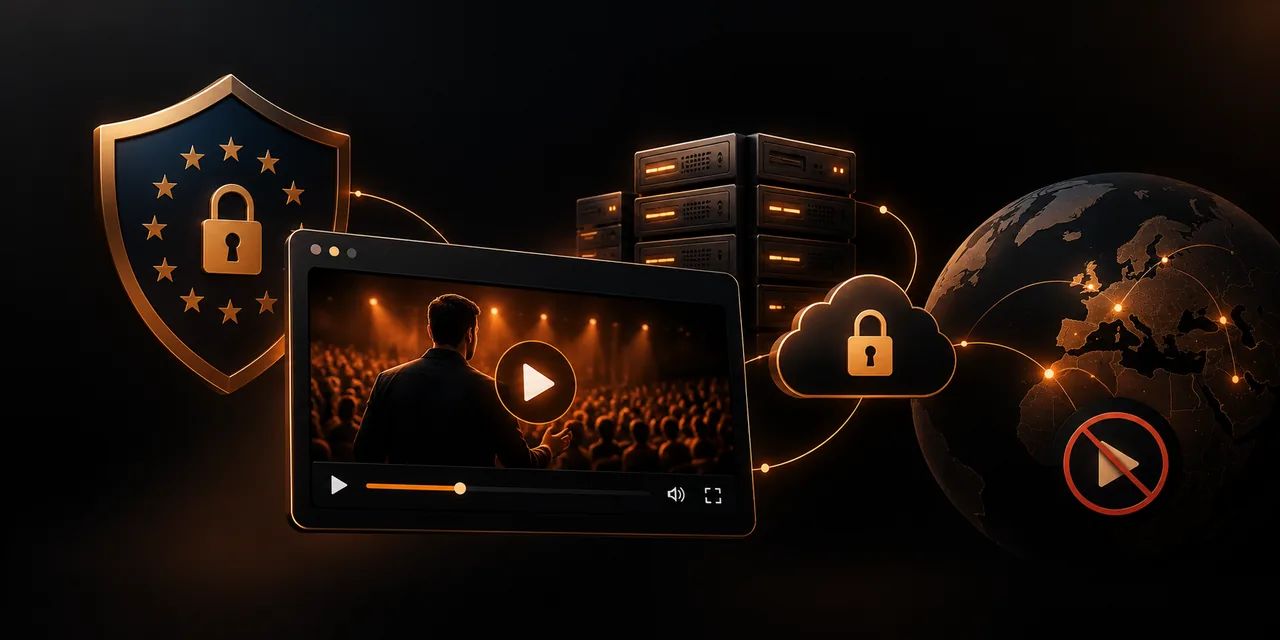
The usual move is to rely on a free platform, perfect for distribution but a poor fit for a sales page. Its player serves the platform's goals, not yours: it competes with your offer through suggested videos and outbound links.
The cost is invisible precisely because you never see the viewers the platform sent to other content. Using a distribution player for a conversion job quietly wastes part of the traffic you have already paid for.
For practical guidance on video CDN, read the dedicated guide.
What to look for in a video hosting platform built for conversion
A clean player, with no suggested videos, that keeps the focus on your page.
End-screen control, so you decide what the viewer sees when the video ends.
Calls to action inside the video, so a view becomes an action.
Fast, reliable delivery, with smooth playback on every device, especially on mobile.
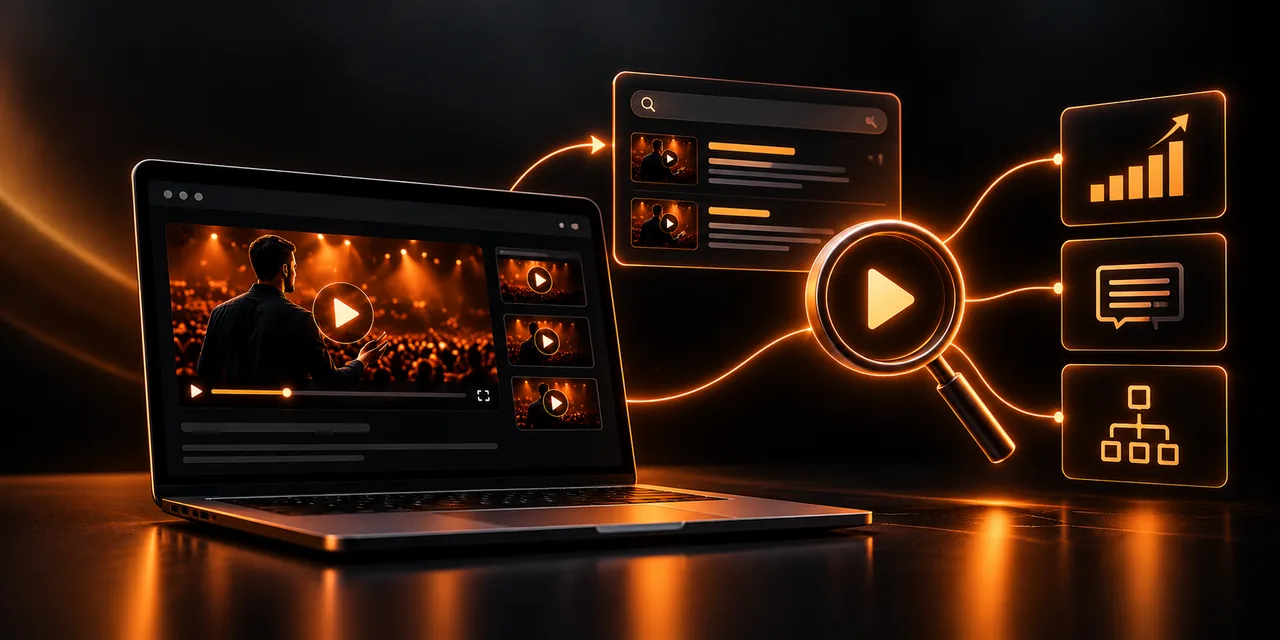
Engagement analytics, so you can see how far people actually watch.
Your own brand (white label) and integration with your funnel and your tools.
Comparing VSL players? See our VTurb alternative page.
The video page in practice
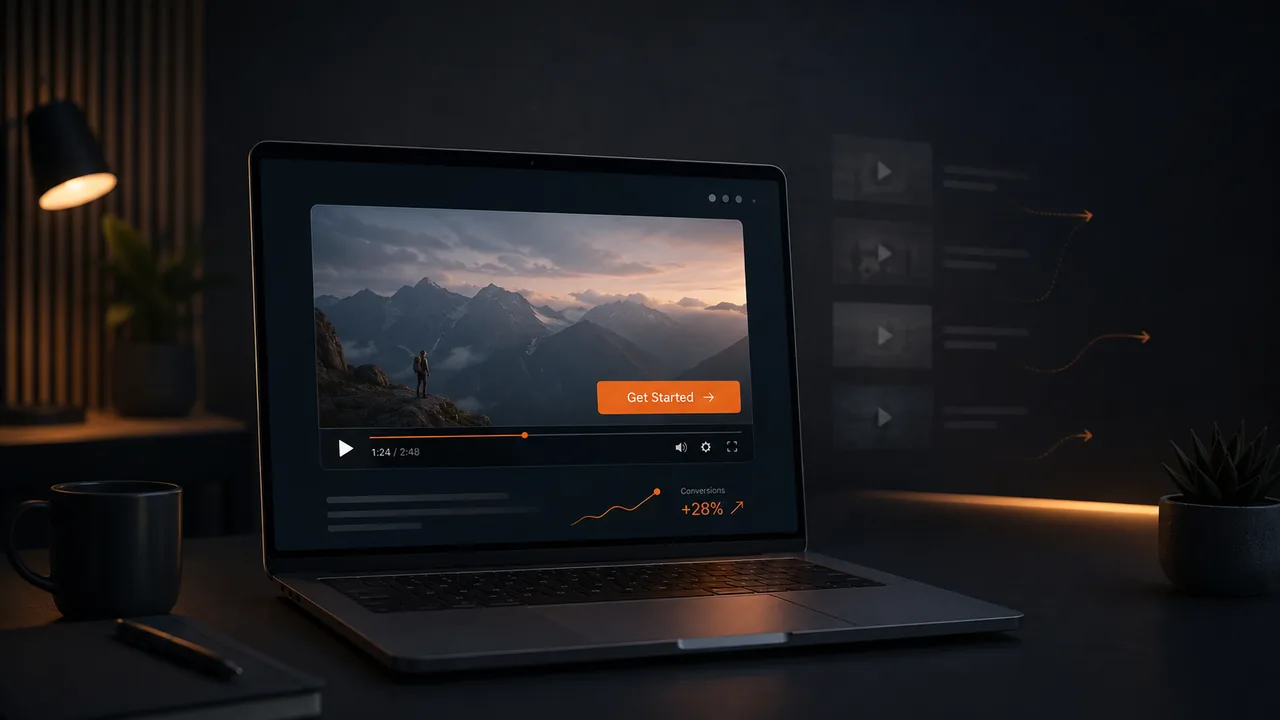
A platform built for conversion produces a different page: the player keeps the focus, nothing invites people to leave, calls to action appear at the right moment, and the page loads fast on mobile. Put that same video in a distribution player, with suggestions and no scheduled action, and it will convert much worse. That is why the platform and the player are, above all, a conversion decision.
AtomicPlayer is built for that job: a clean player with your brand, end-screen control, in-video CTAs, fast delivery, and engagement analytics, so your sales page does not lose people because of the wrong player.
Frequently asked questions
Yes, and a great deal. The player controls distractions (such as suggested videos), the brand, load speed, and the path to action. On a sales page, the embedded player is one of the factors that decide whether the video converts.
For distribution and reach, yes; for a sales page, usually not. A free platform's player is designed to keep the viewer inside its ecosystem, competing with your offer through suggestions and outbound links.
A clean player with no suggested videos, end-screen control, calls to action inside the video, fast and reliable delivery, your own brand (white label), and engagement analytics. Together, they make the platform work for your conversion.
Because they appear just when the viewer should be looking at your offer, and they take the viewer off your page toward other content. A conversion-focused platform removes those suggestions and keeps the focus on the action you want to prompt.
For a sales page, it is a conversion decision. The platform and the player shape the whole page experience, so treating them as simple storage hurts video delivery and, with it, your results.
If you read nothing else
- A distribution player keeps viewers on its own platform with suggested videos that compete with your offer.
- A clean white label player, end-screen control, and in-video CTAs keep the focus on your page.
- Free hosting fits reach, and on a sales page it quietly wastes traffic you have already paid for.
- Load speed, engagement analytics, and your own brand decide whether the embedded video converts.
Atomicat Team
The team behind AtomicPlayer — writing about video conversion, retention, and the infrastructure that makes both measurable.